Vinyl flooring
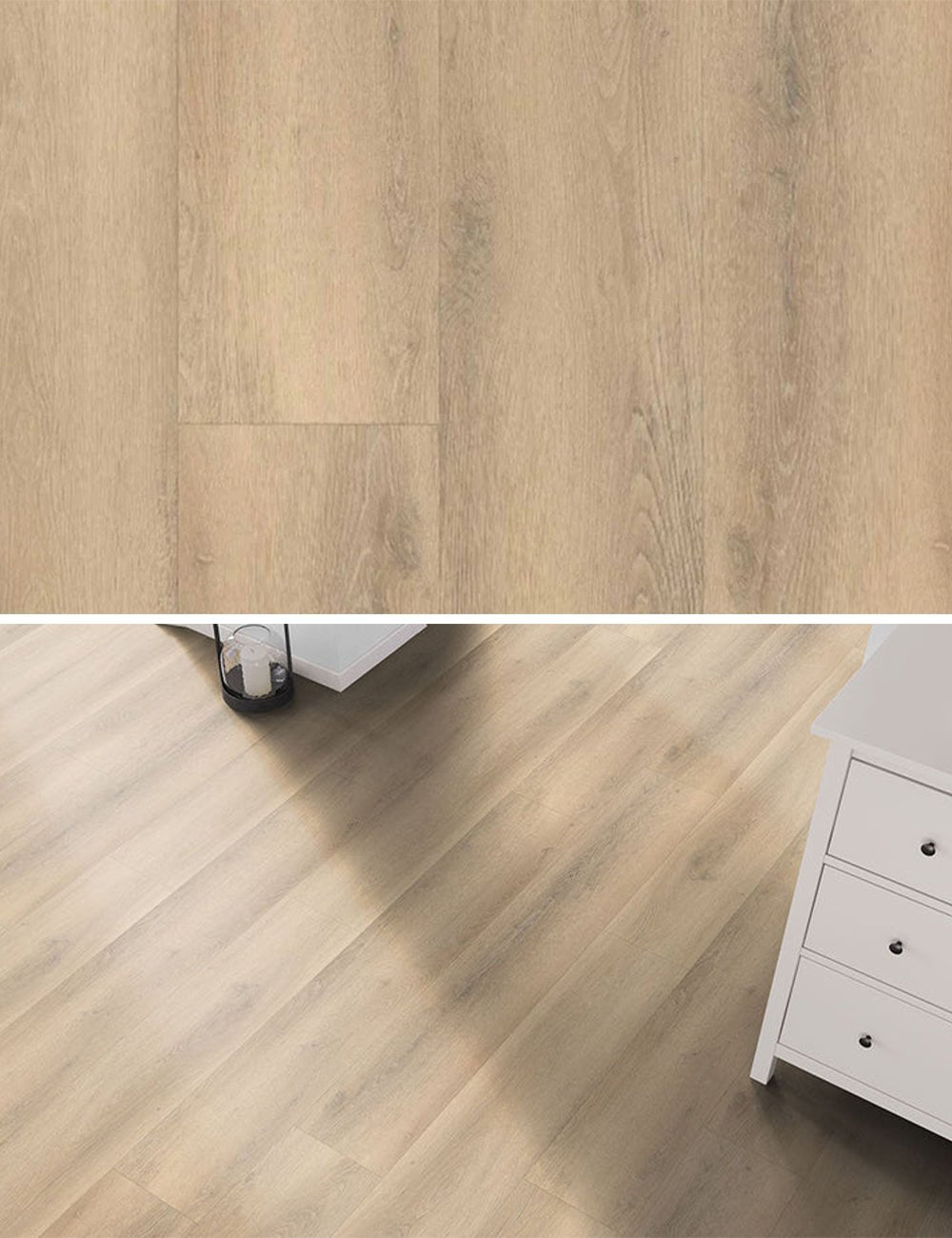
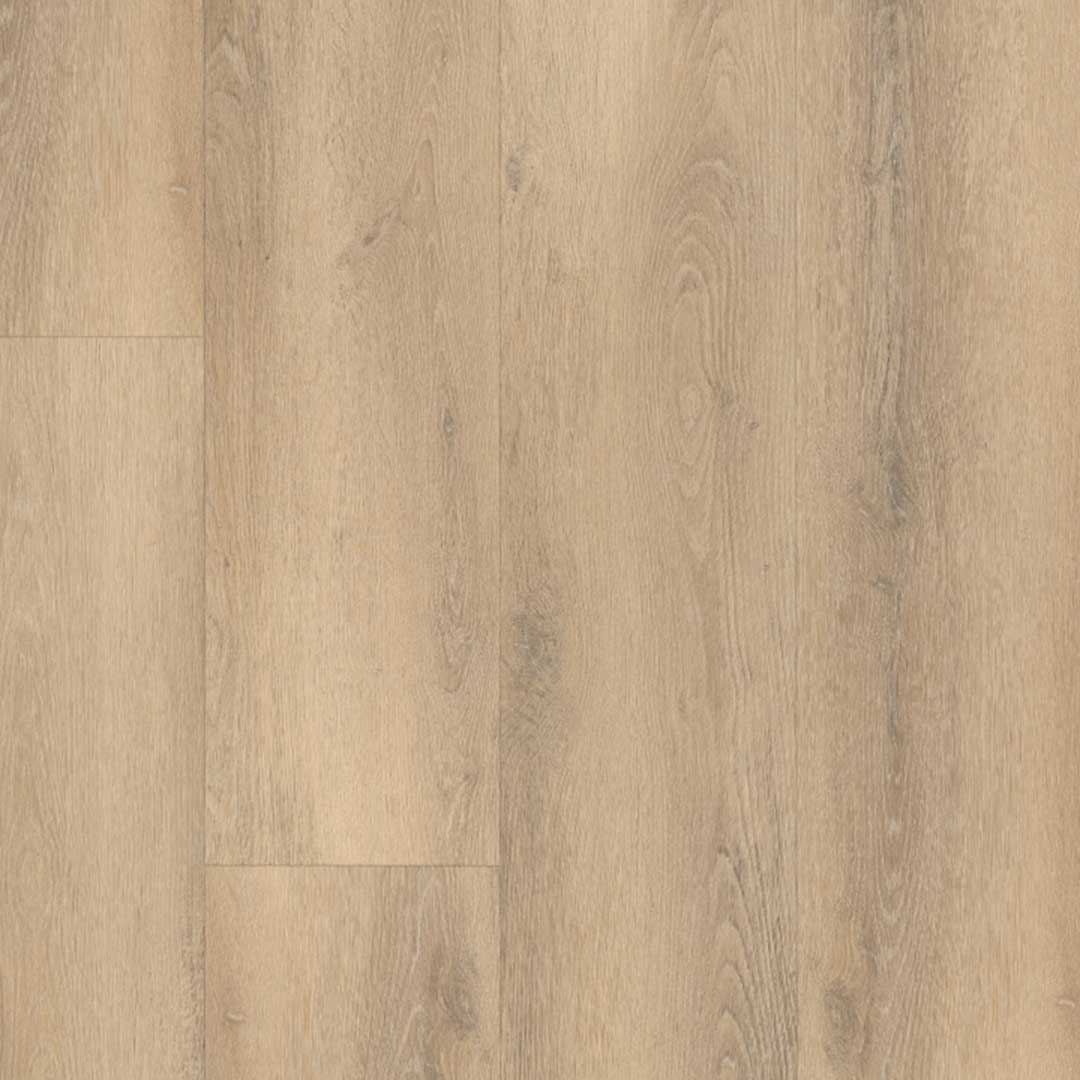
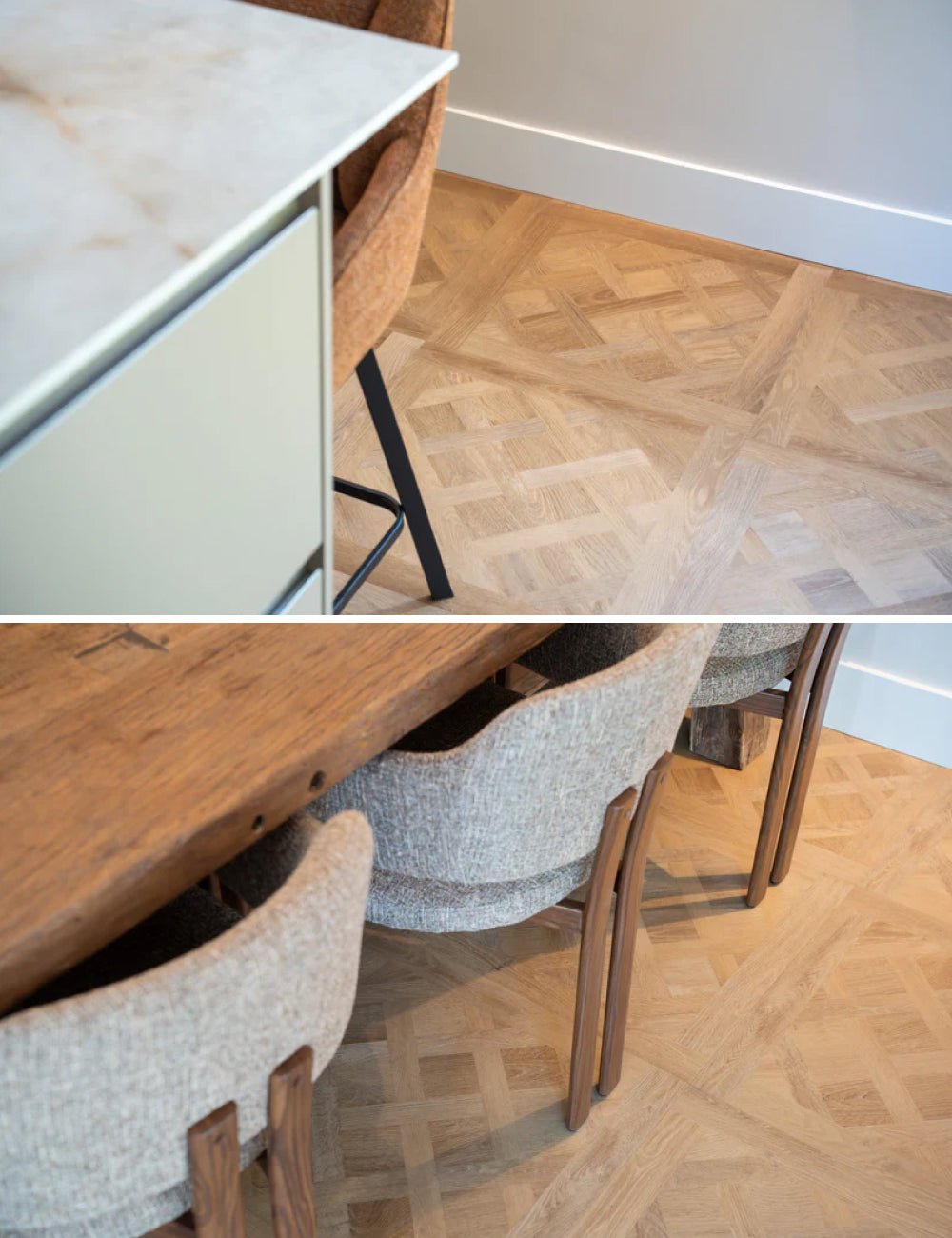
Belakos Palazzo 750 Dryback PVC
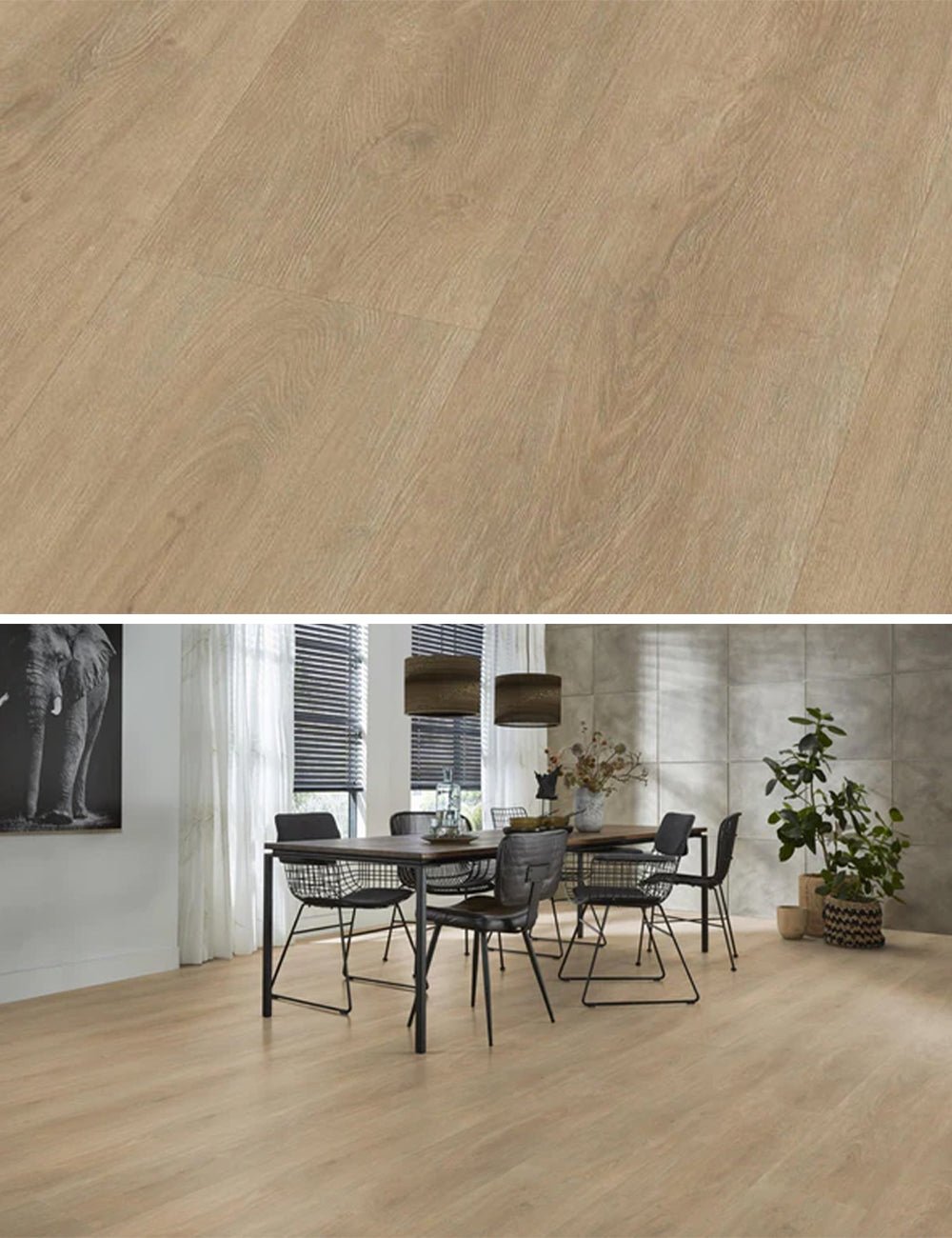
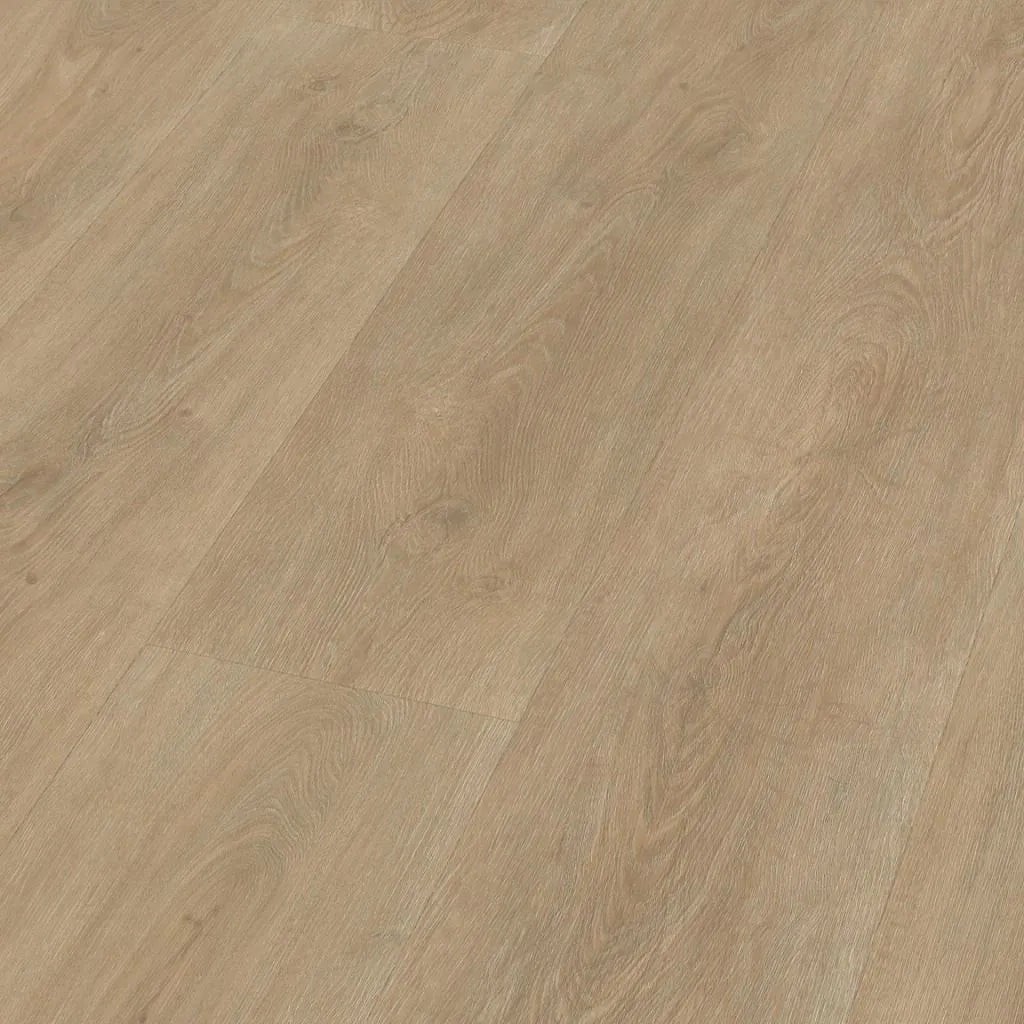
Floorlife Click PVC Parramatta Natural 2531 SRC - Planks 152.2 x 23.80 cm
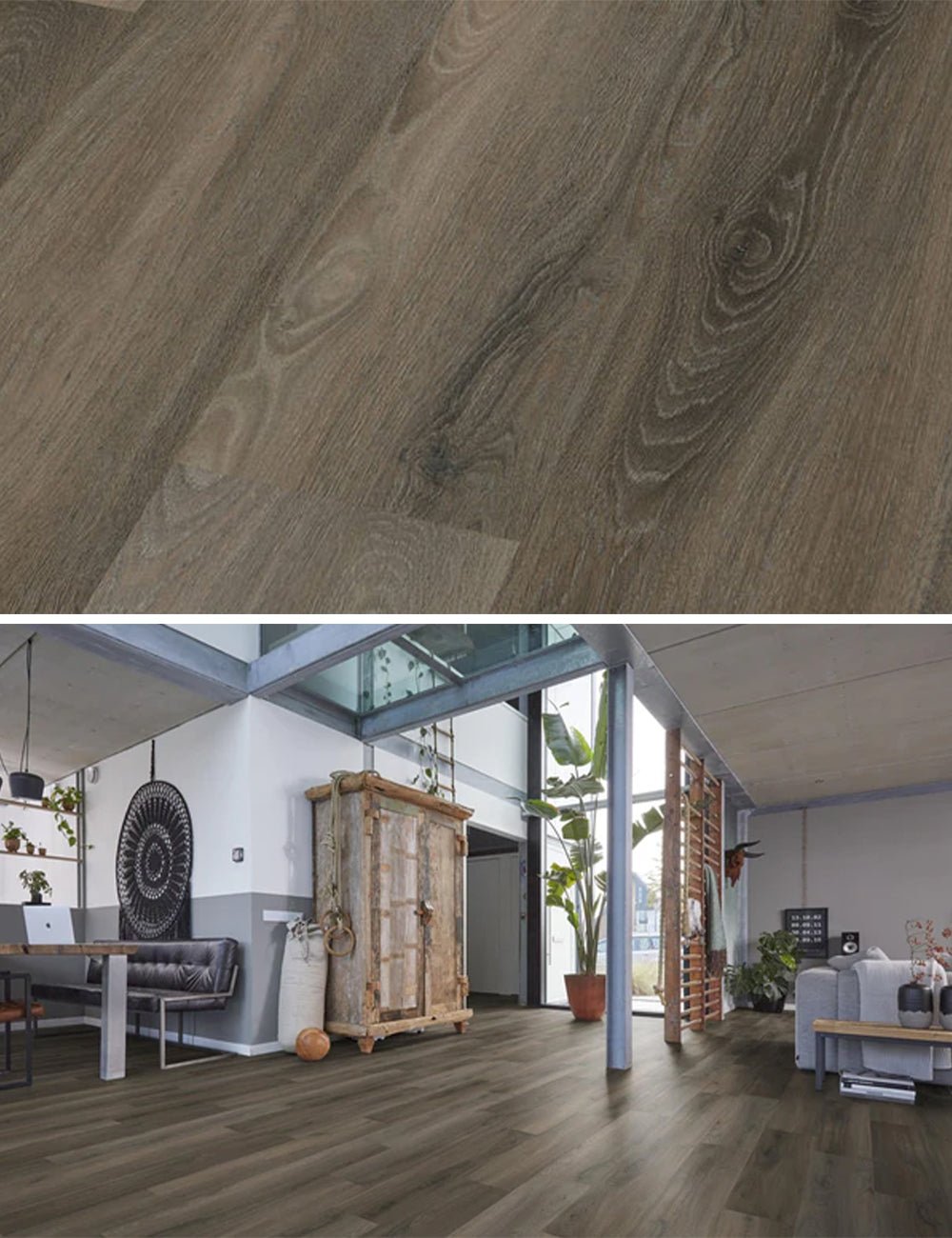
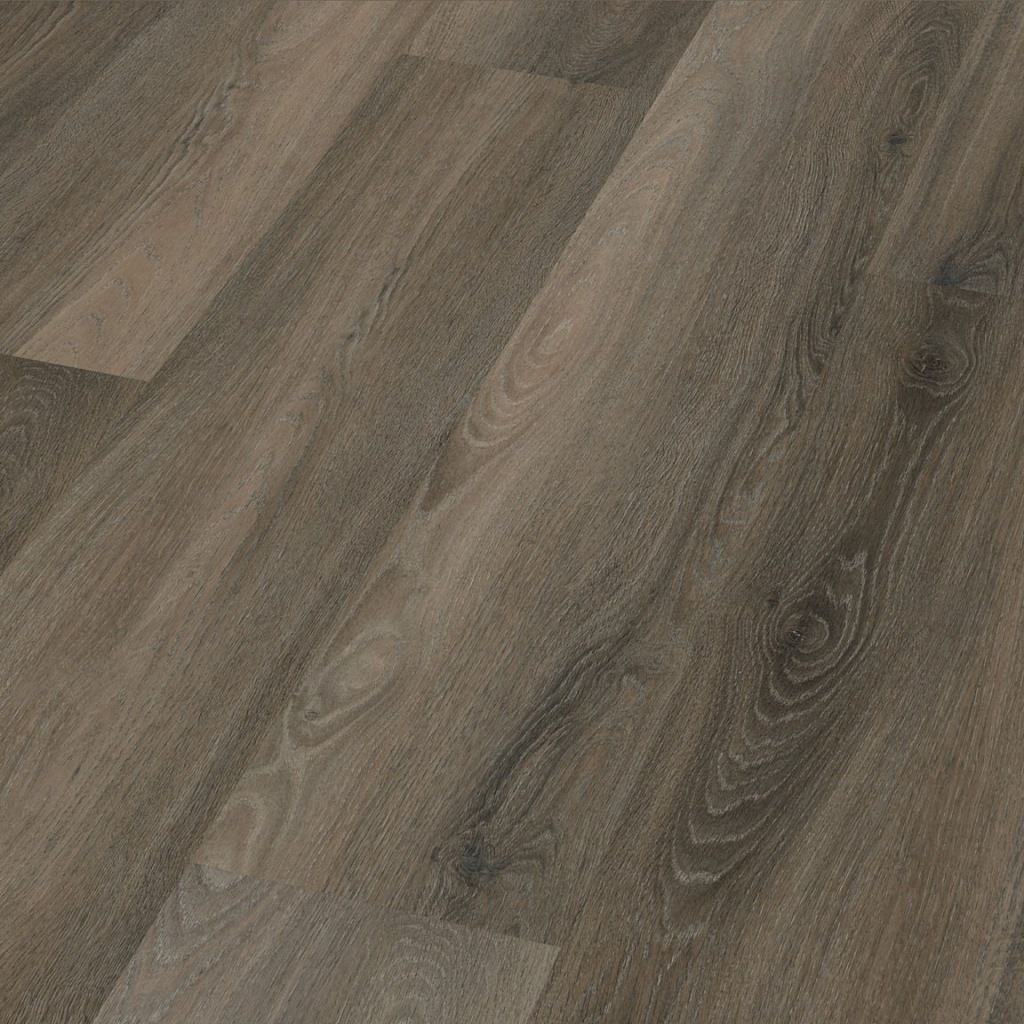
Floorlife Click PVC Paddington Dark Grey 5506 SRC - Dark Grey Floor


Floorlife Click PVC Paddington Smoky 5502 SRC
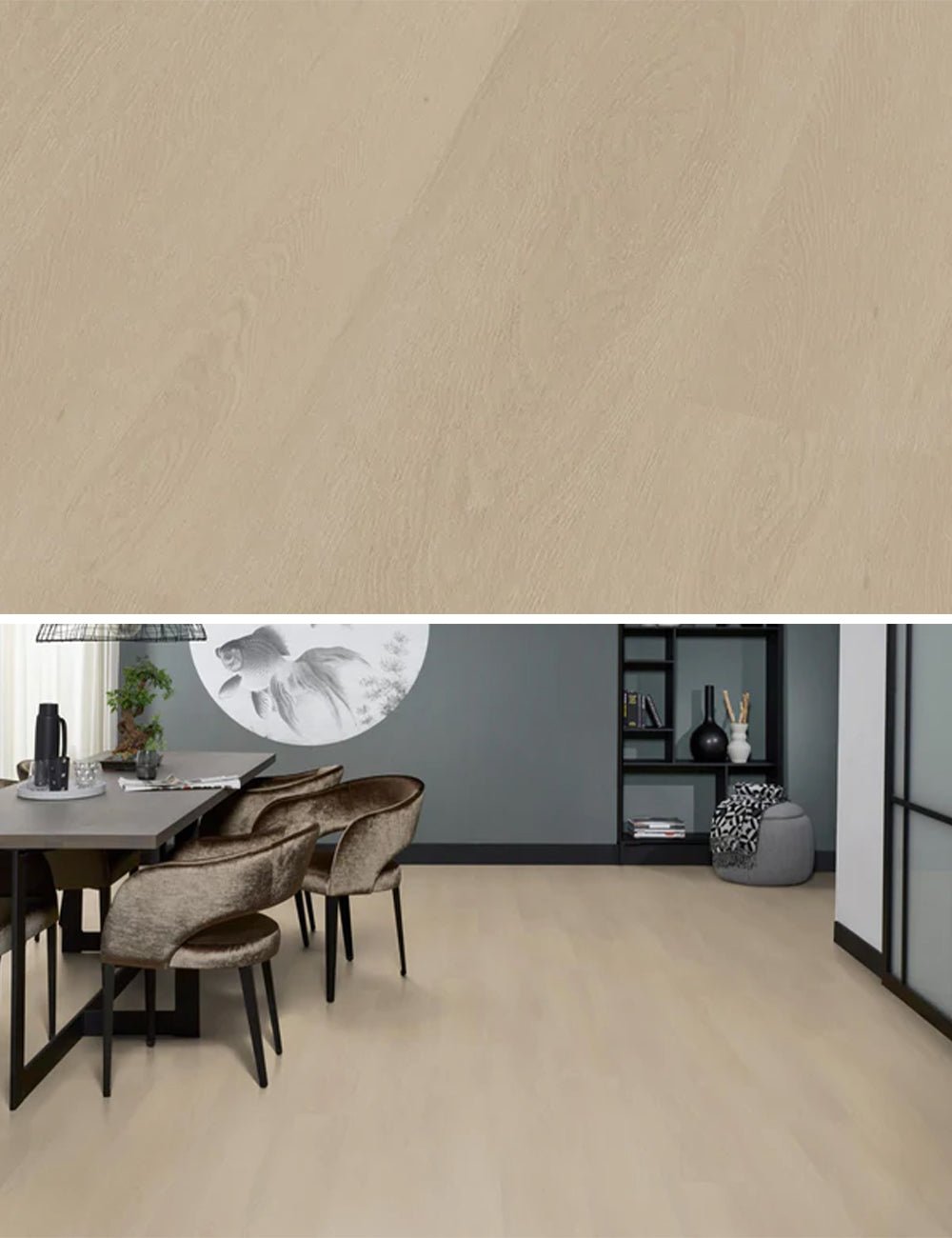

Floorlife Click PVC Fulham Beige 2613 SRC - Knot-free 152.2 x 22.5 cm


Floorlife Click PVC Merton Natural Oak 7512
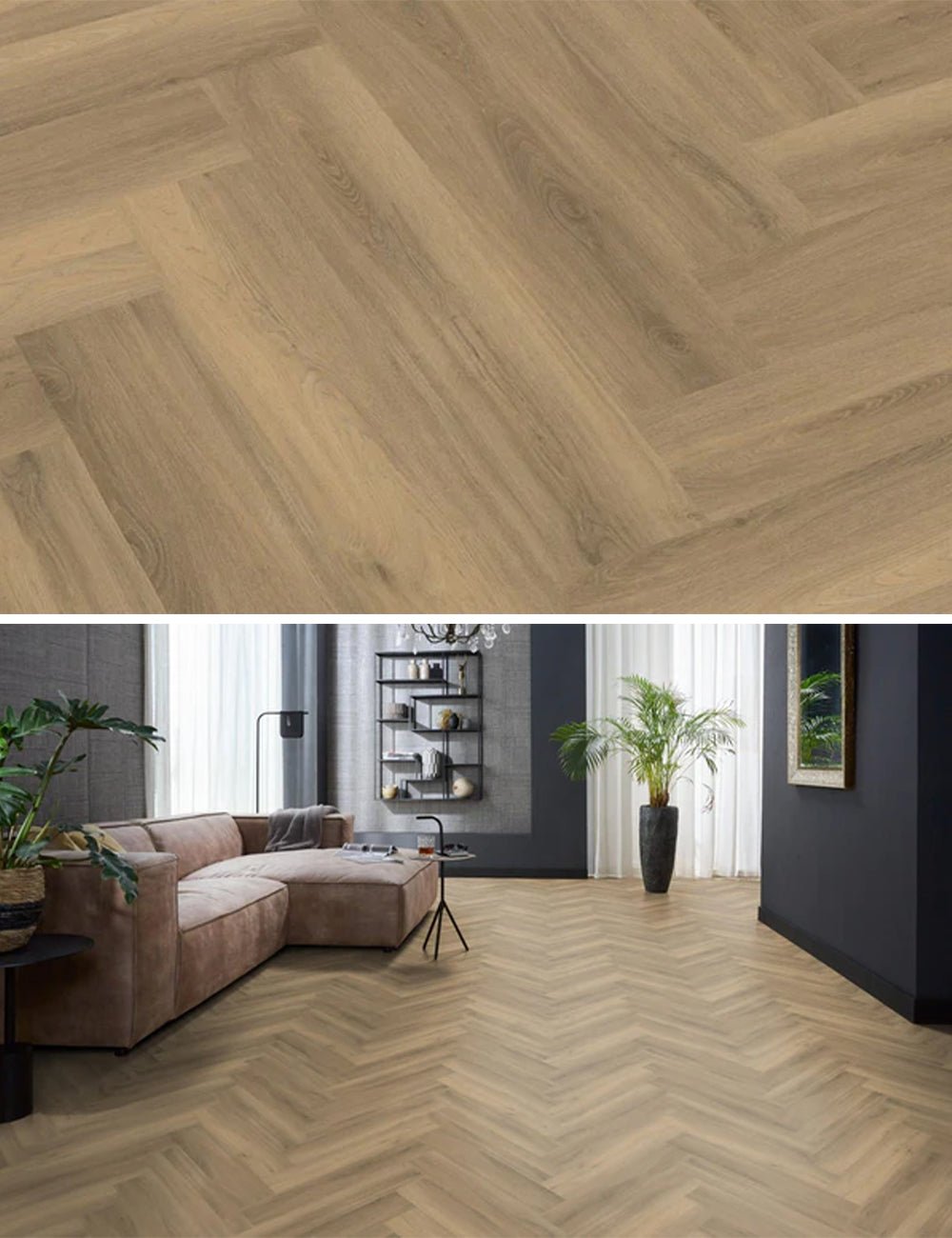
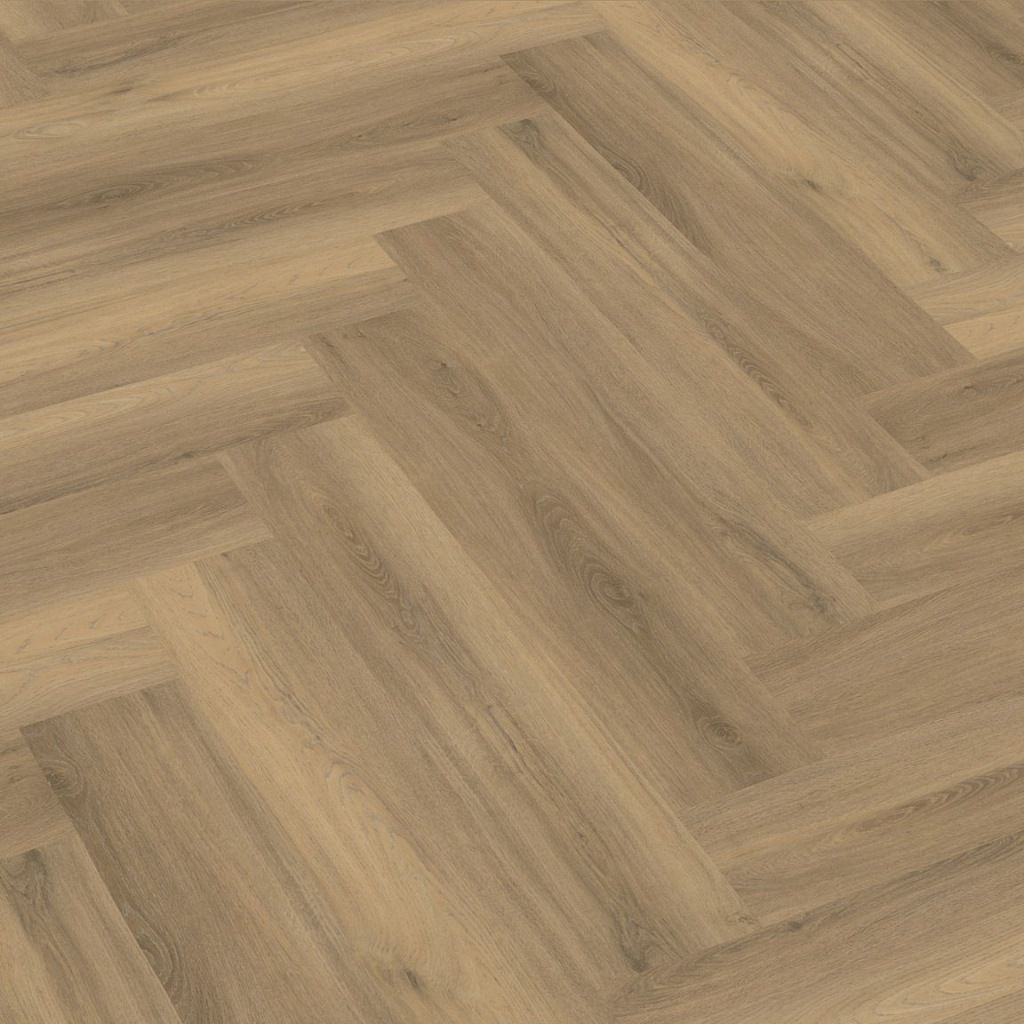
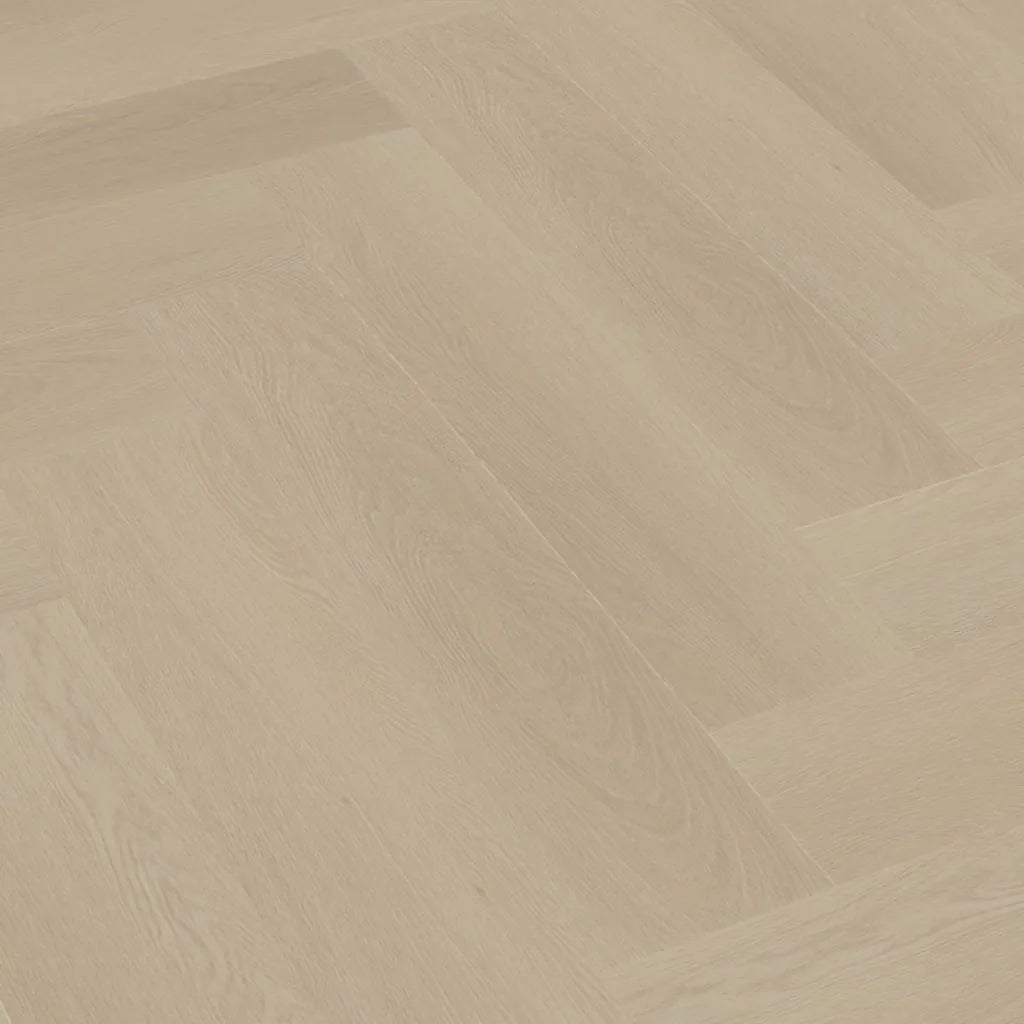
Floorlife Click PVC YUP Herringbone Paddington Natural 3503 SRC
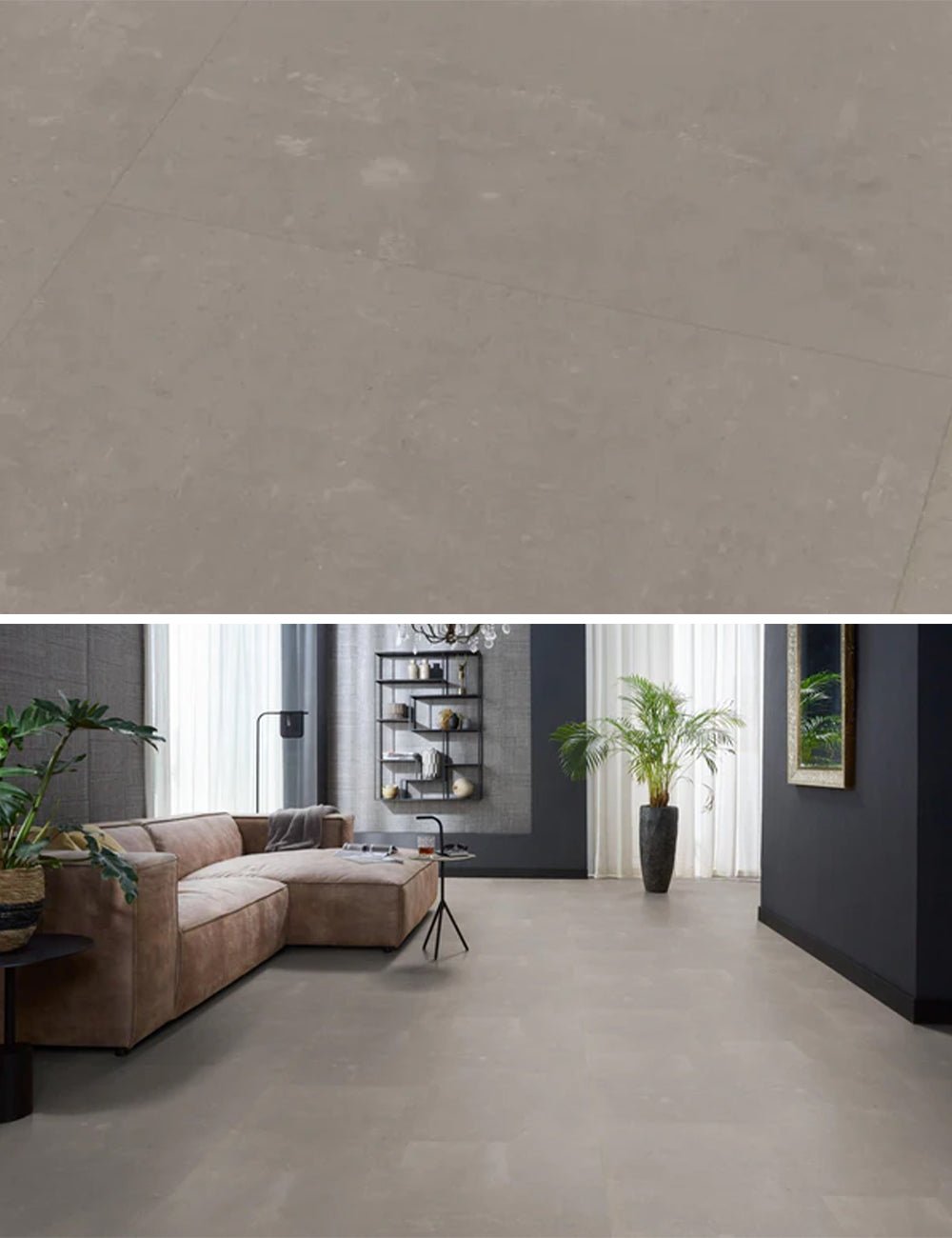
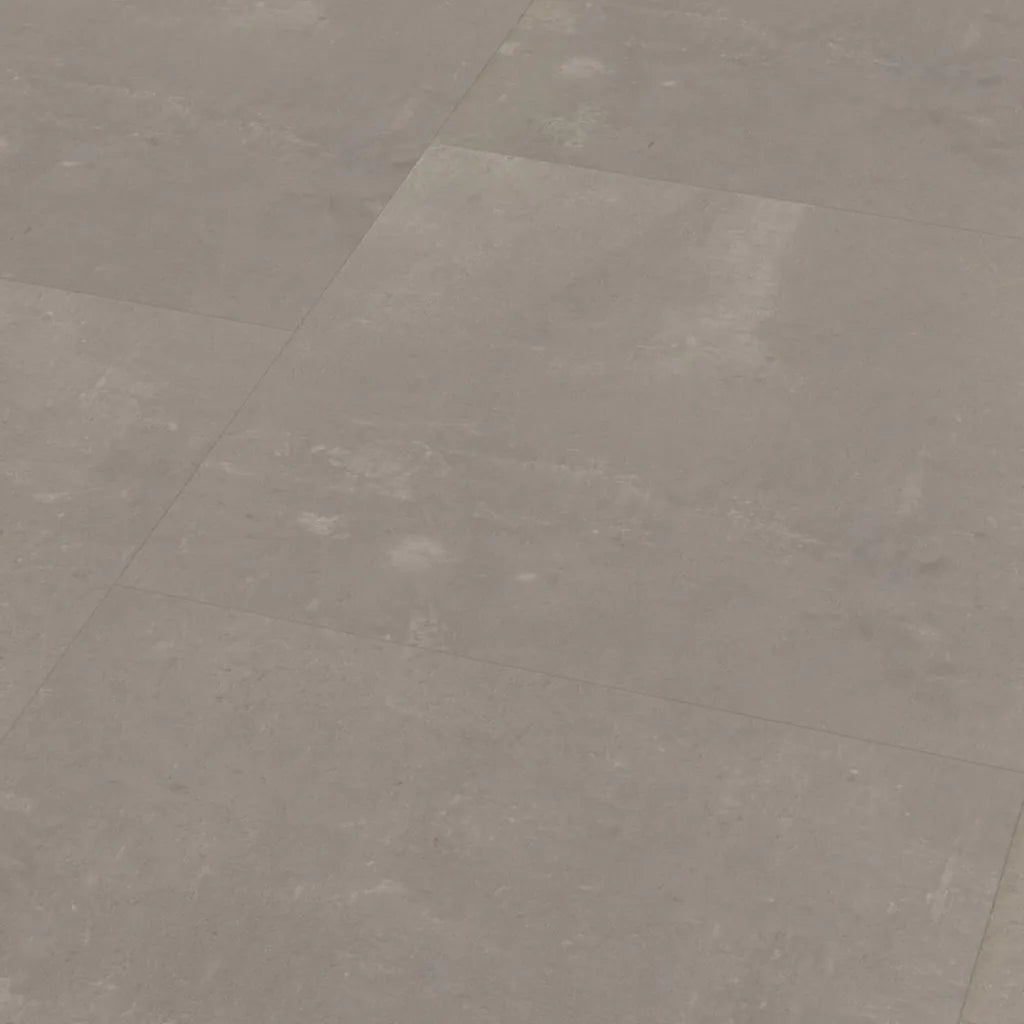
Floorlife Click PVC Tile Victoria Light Grey 6211 SRC - Floor Tile 61 x 61 cm
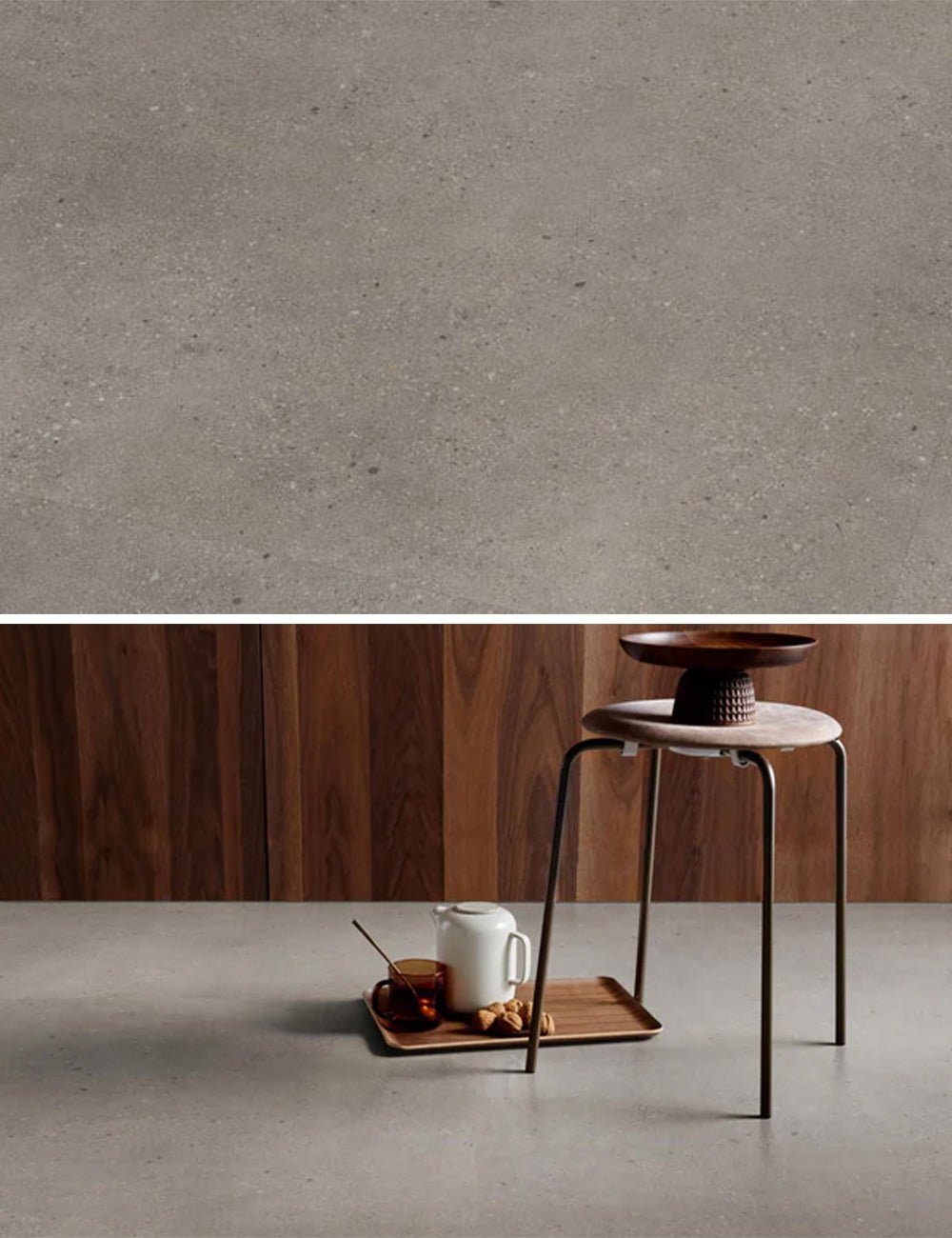
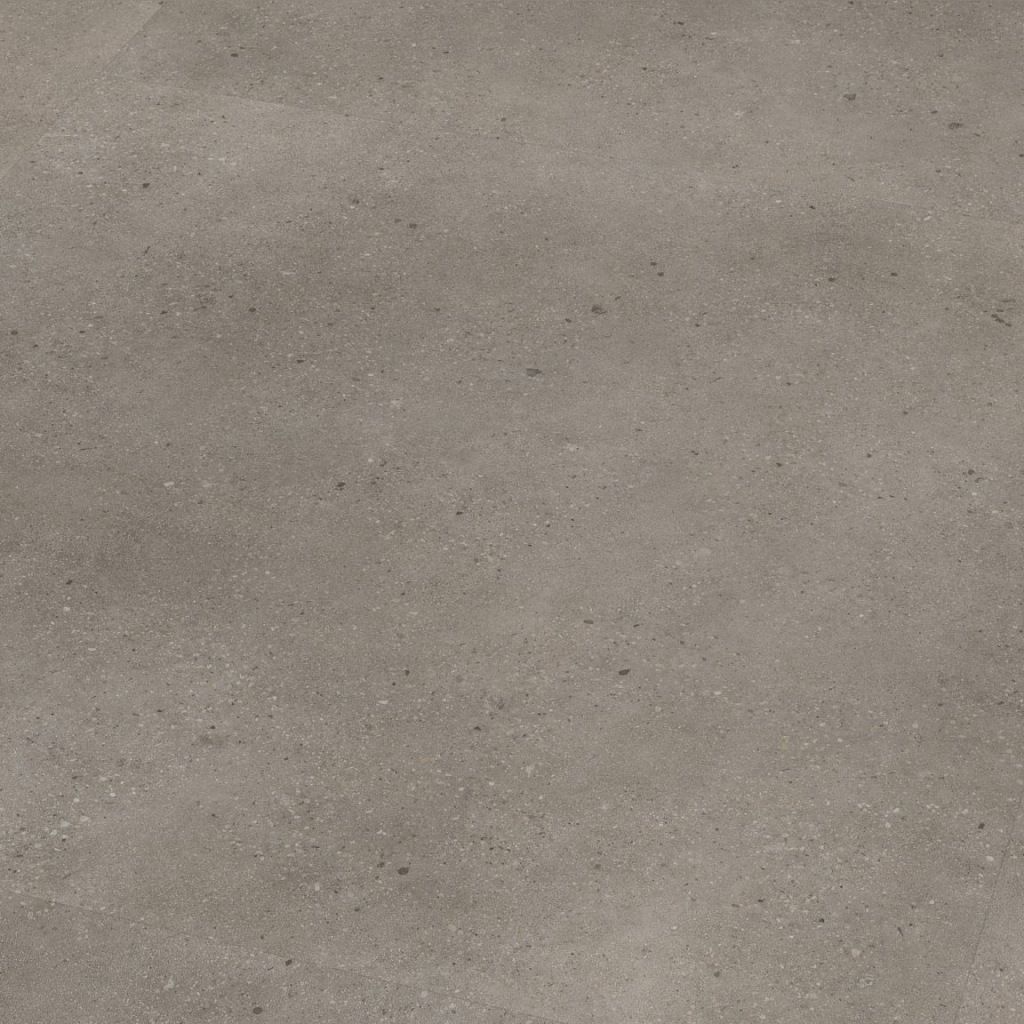
vtwonen Glue Down PVC Composite XL Warm Grey Dryback - Tile 91.4 x 91.4 cm
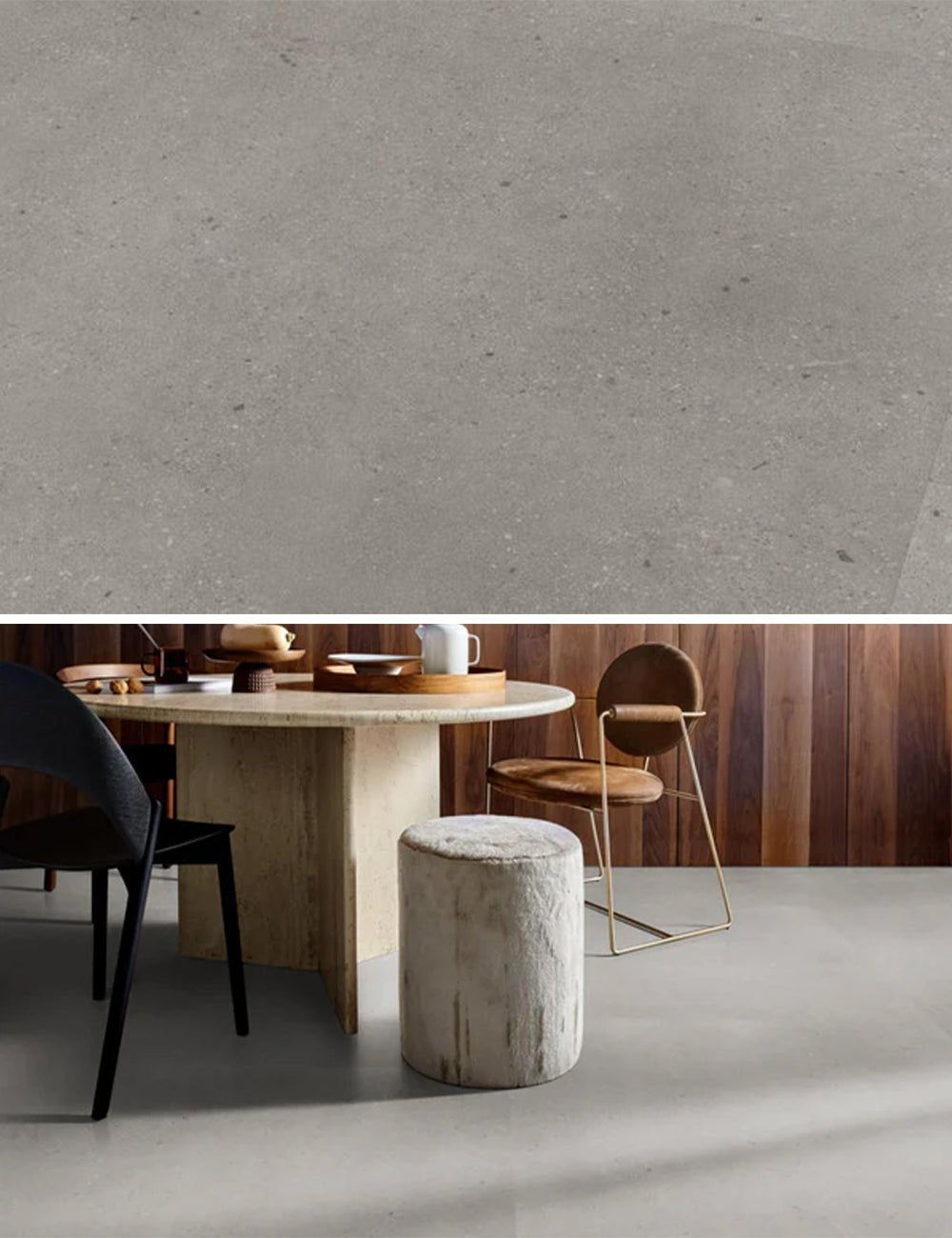
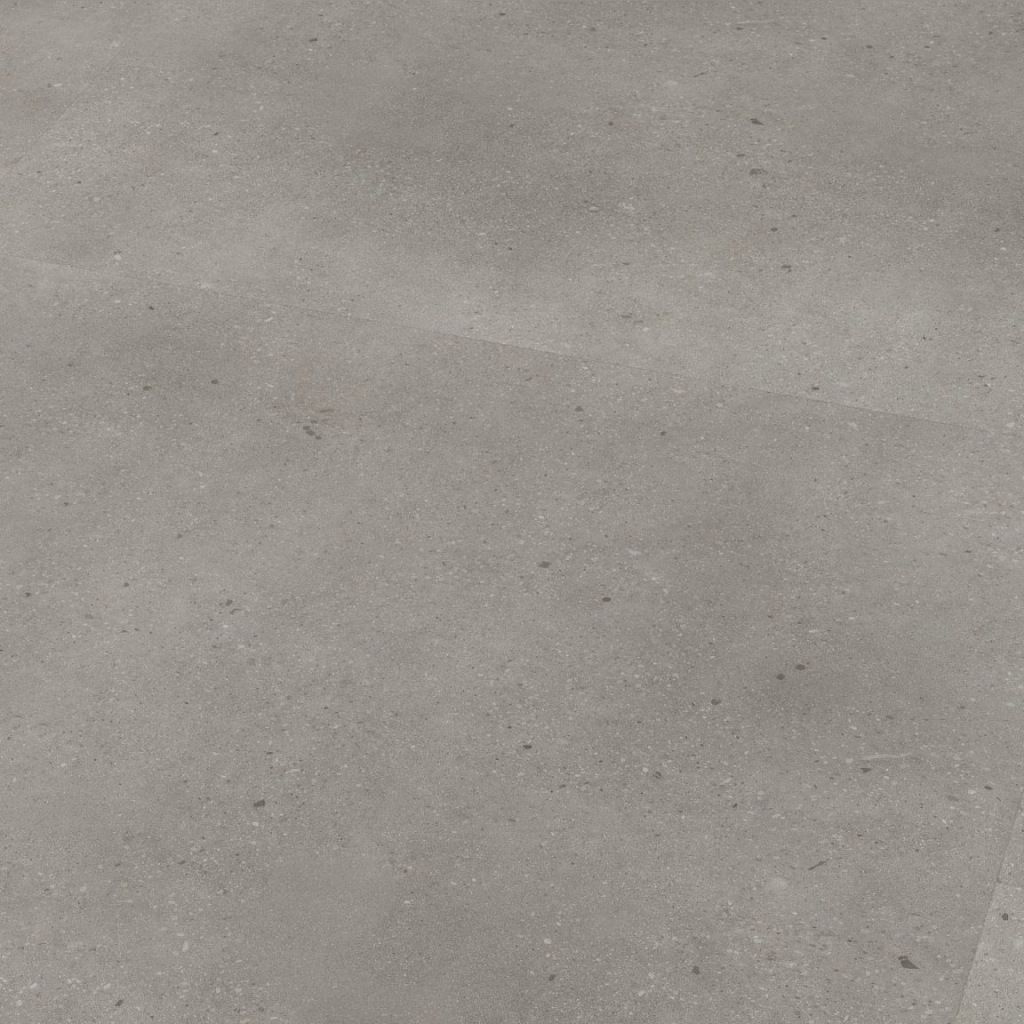
vtwonen Plak PVC Composite XL Light Grey Dryback - Tile 91.4 x 91.4 cm
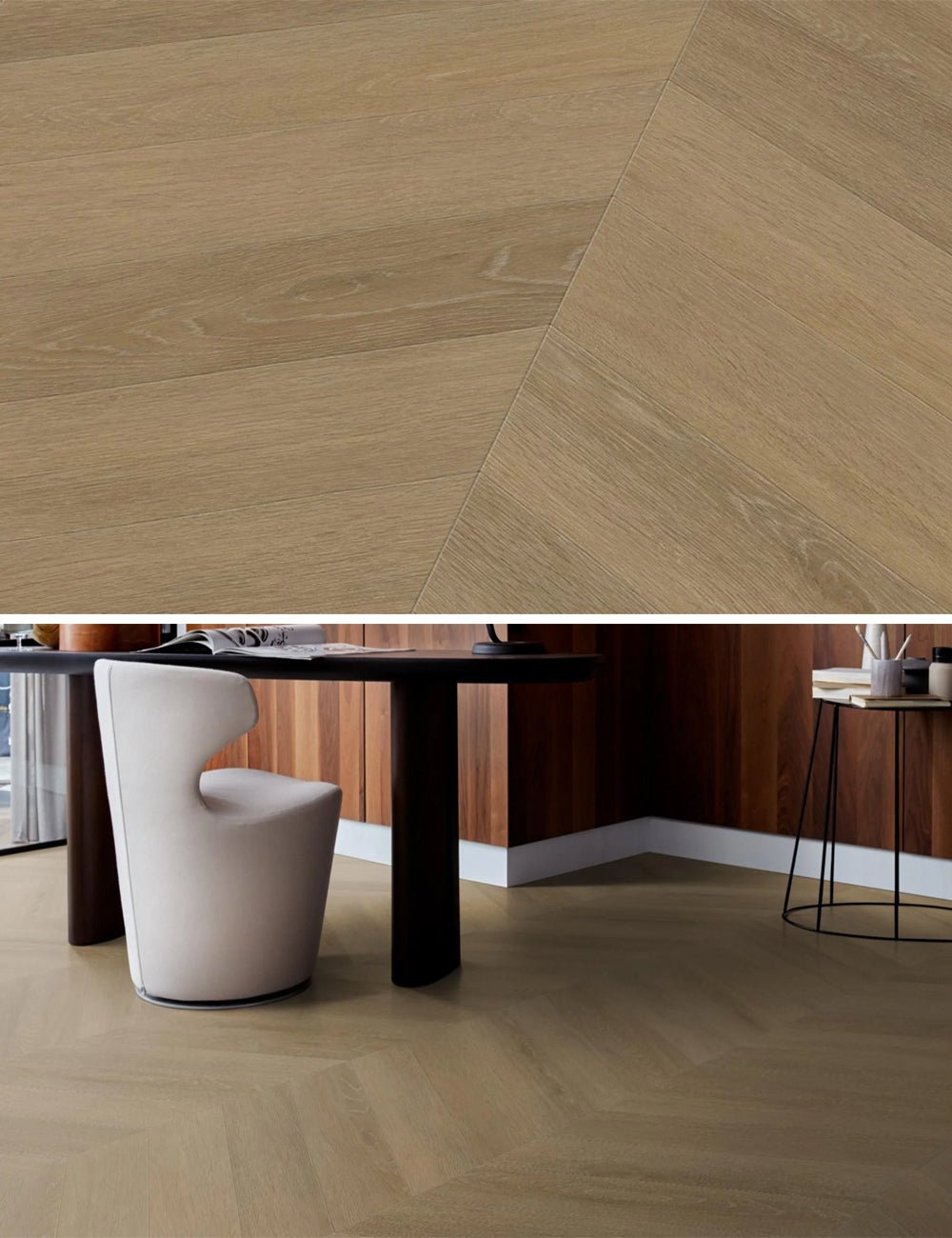
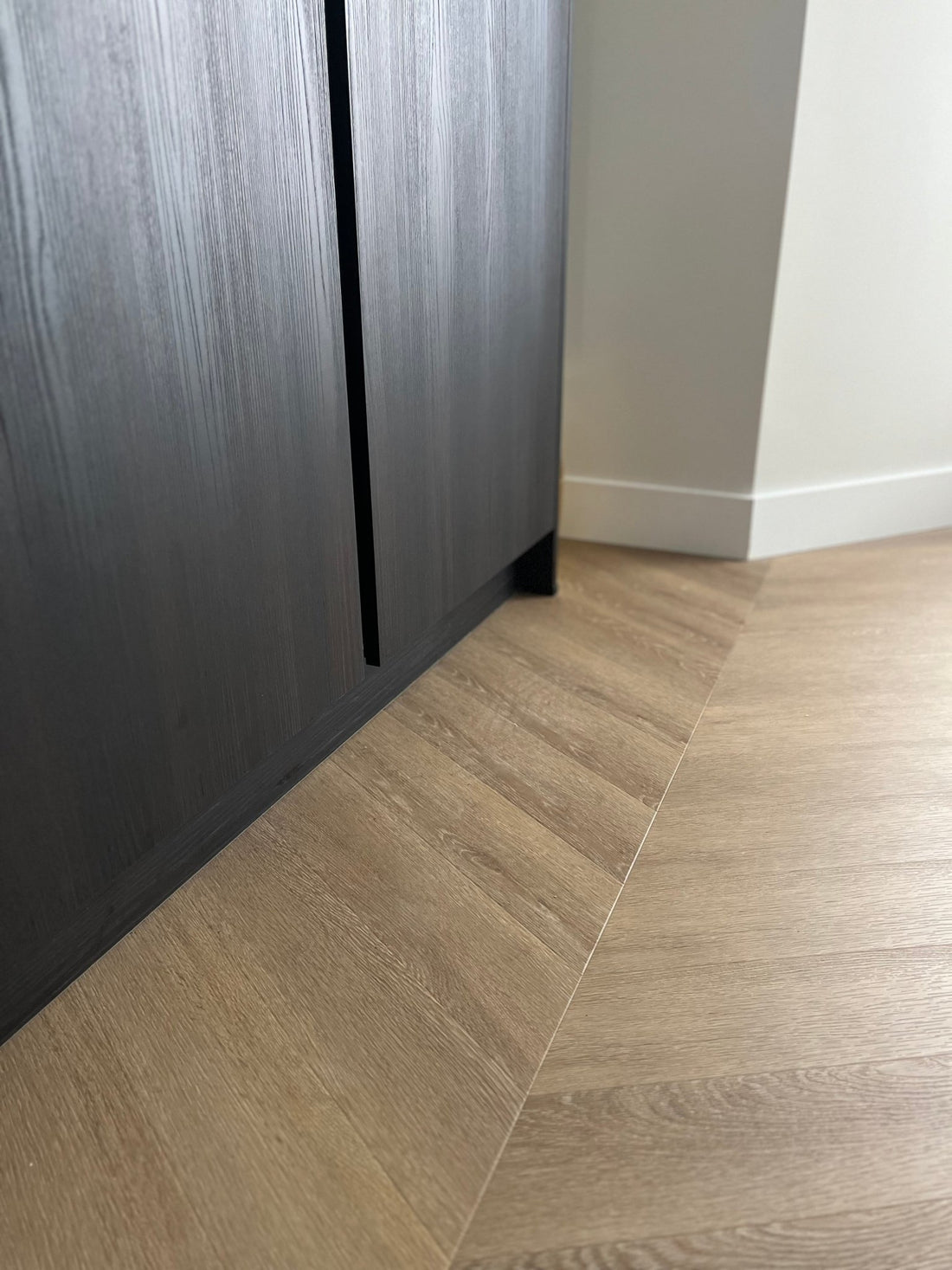
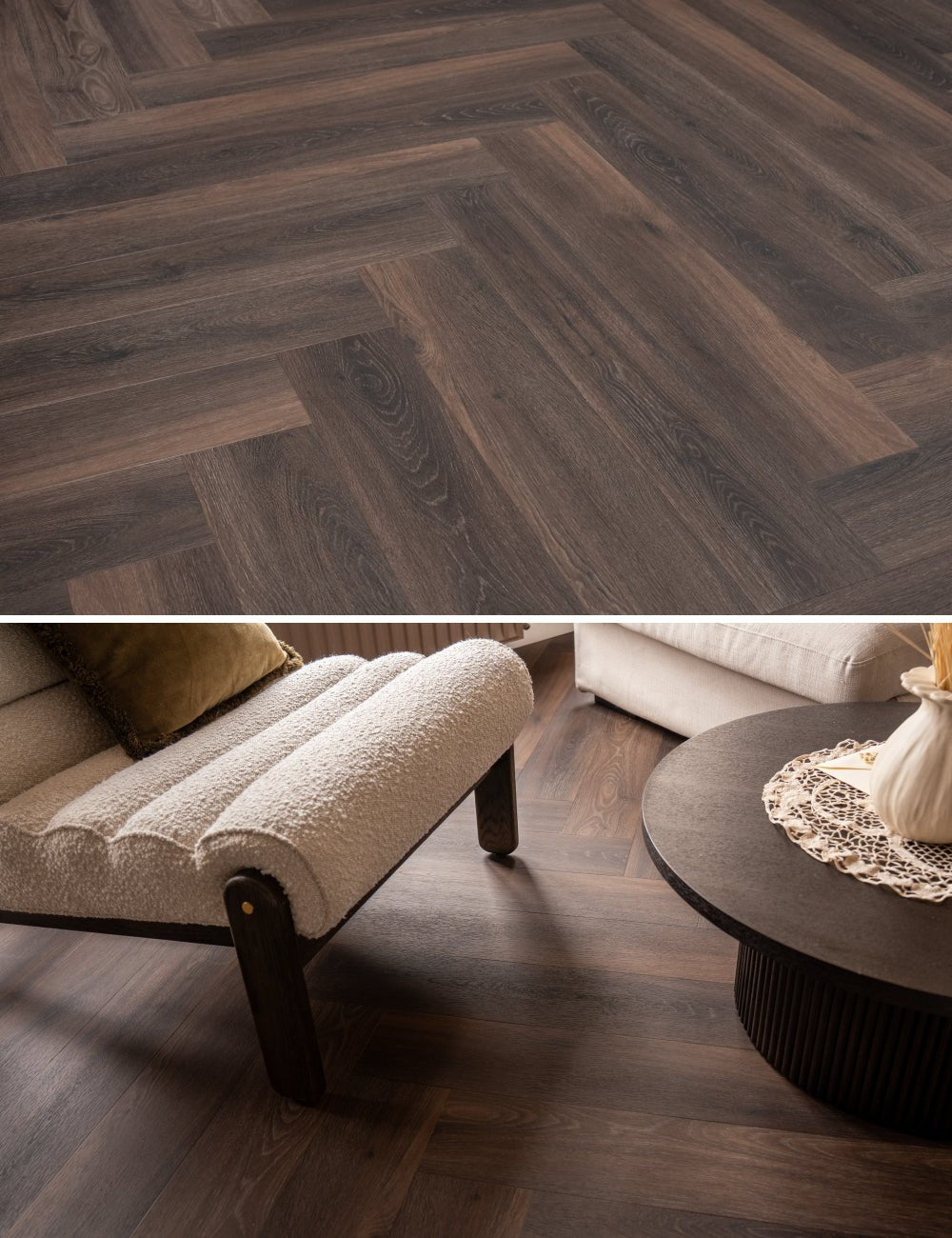
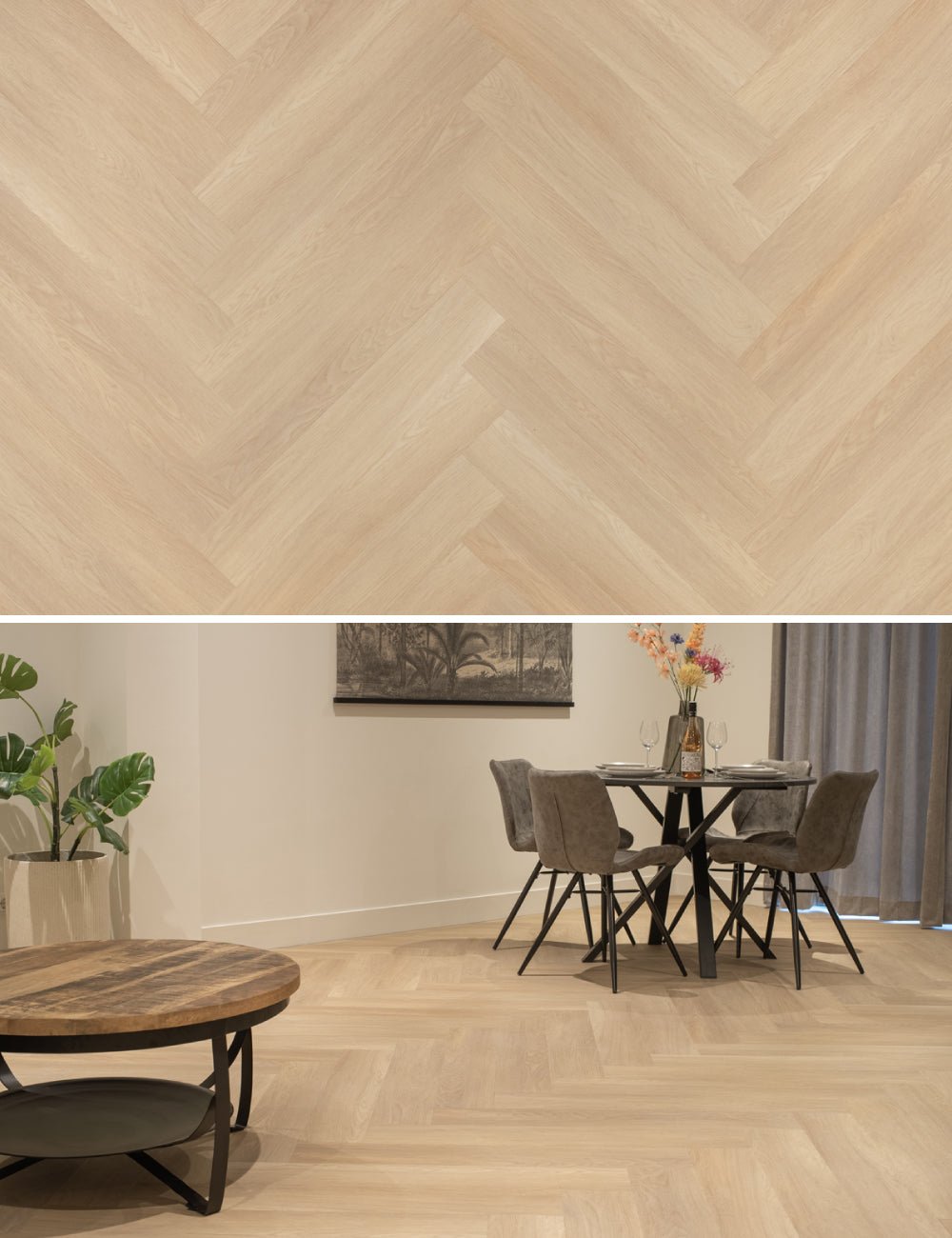
vtwonen Stick PVC Noble Sun Kissed Dryback Hungarian Point
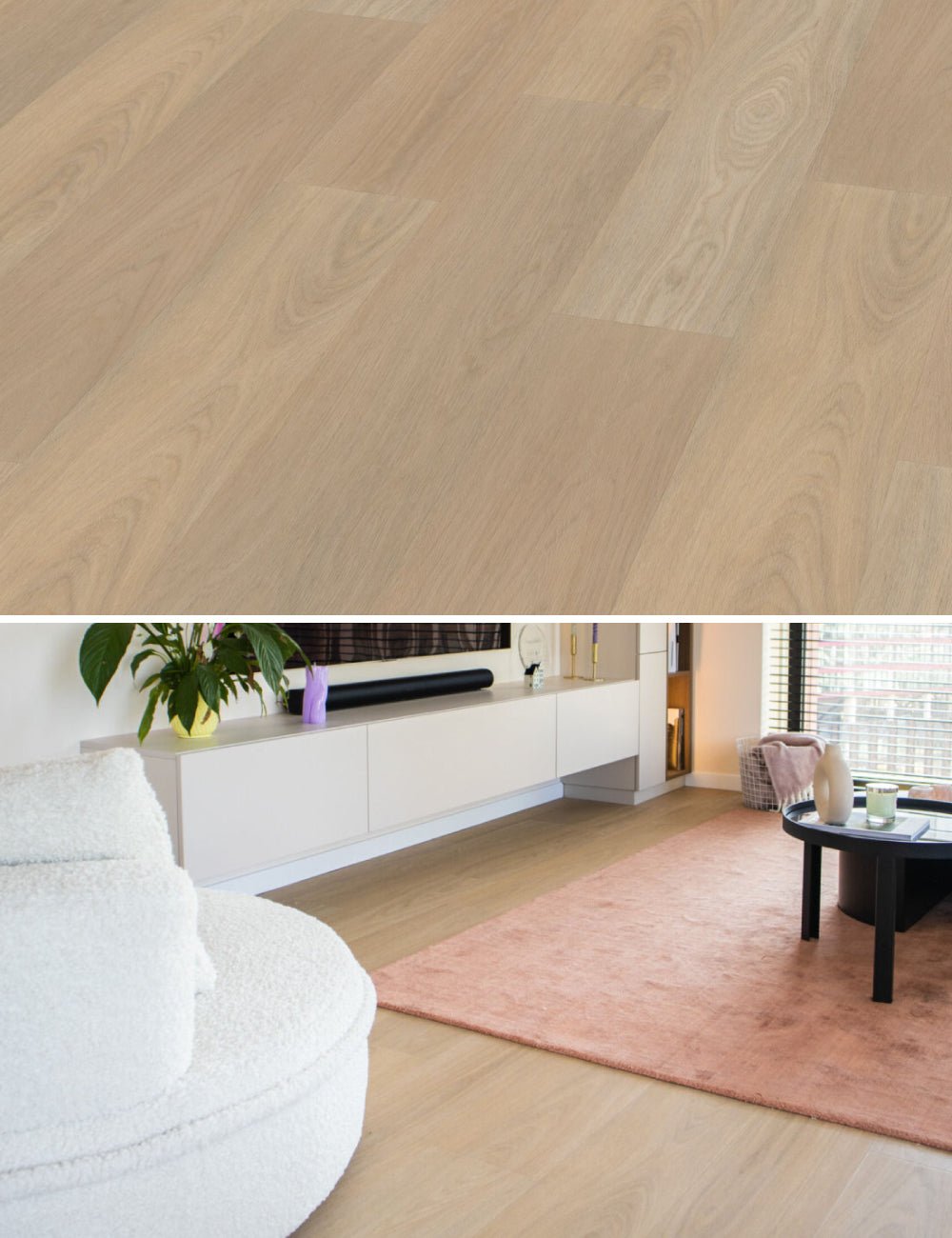
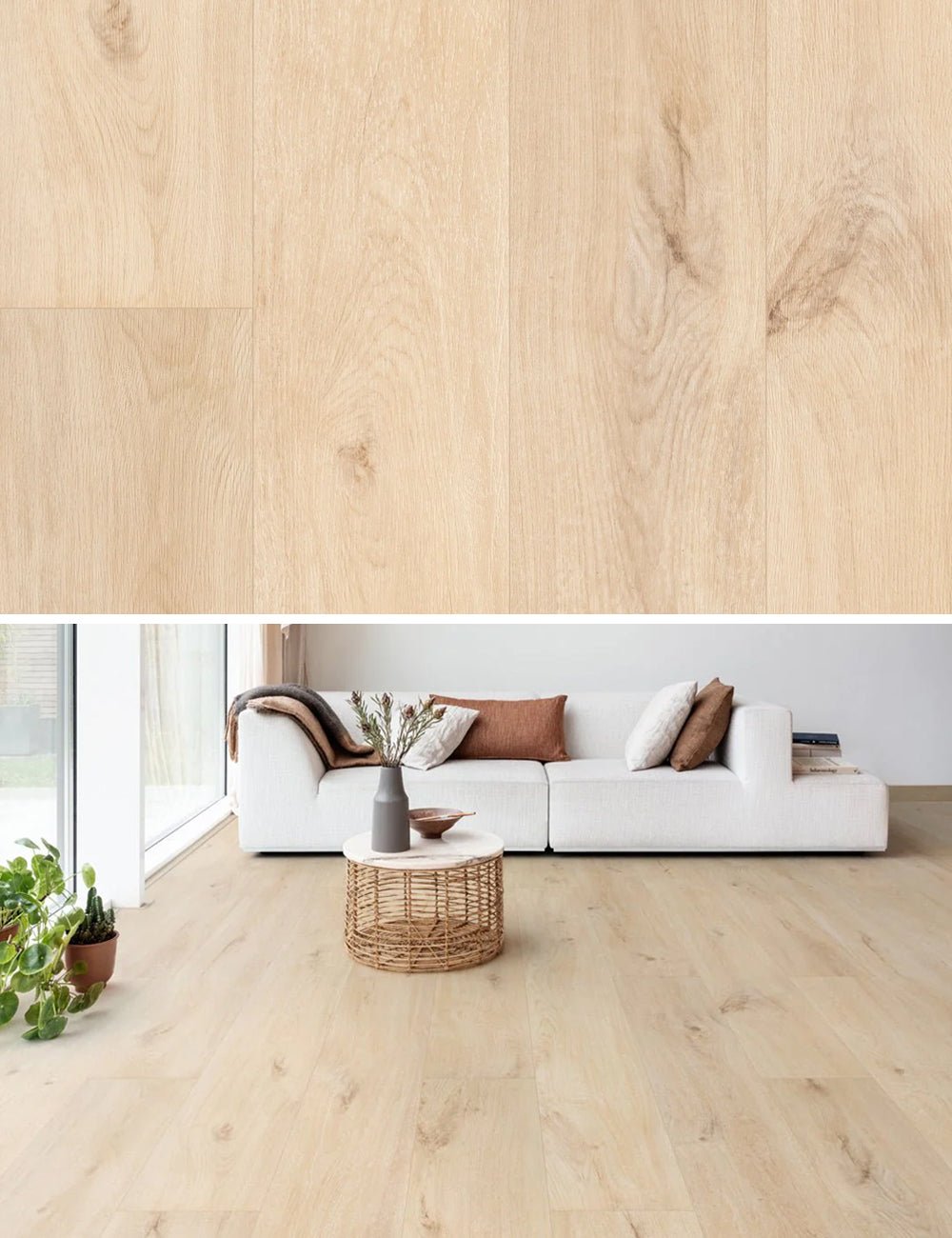
Vivafloors Oak 7810 Click PVC (EPC)


Vivafloors Oak 7880 Glue-Down PVC


Vivafloors Oak 7870 Glue Down PVC


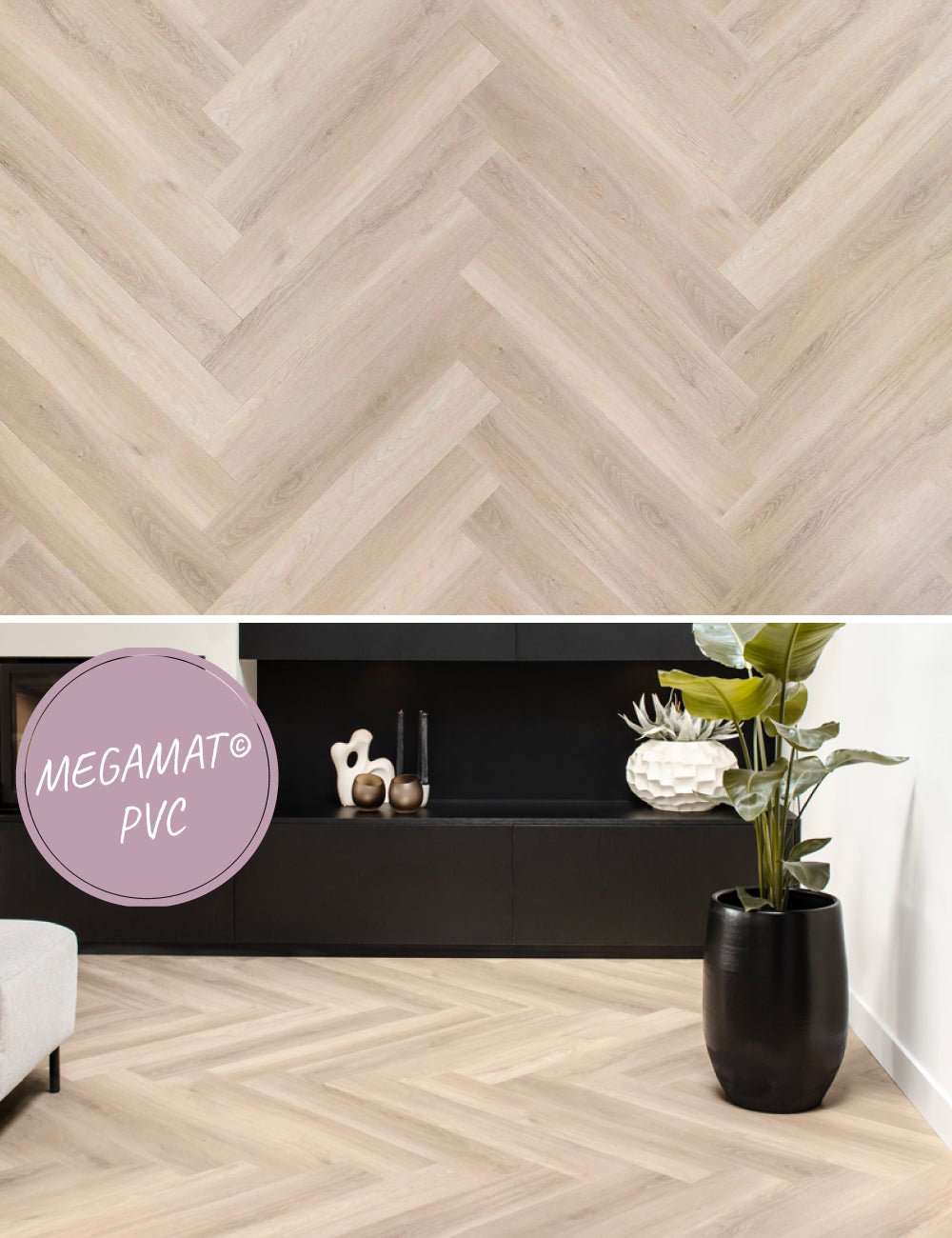
Vivafloors Hungarian Point 7880 Paste PVC


Vivafloors Oak 7880 Click PVC


Vivafloors Oak 7870 Click PVC (EPC)


Vivafloors Whalebone 7870 Paste PVC


Vivafloors Herringbone 7810 Glue Down PVC


Vivafloors Oak 7240 Paste PVC


Vivafloors Oak 7240 Click PVC (EPC)


Vivafloors Herringbone 7230 Glue Down PVC


Vivafloors Oak 7230 Paste PVC


Vivafloors Eiken 7230 Click PVC (EPC)
- Featured
- Most relevant
- Best selling
- Alphabetically, A-Z
- Alphabetically, Z-A
- Price, low to high
- Price, high to low
- Date, old to new
- Date, new to old
Are they PVC floors or vinyl floors?
A vinyl floor, also known as PVC floor, is a modern and versatile floor covering that is popular in both the Netherlands and Belgium. These floors are made of multiple layers of synthetic material, of which vinyl is an essential part. The similarity between vinyl flooring and PVC flooring is that they both use polyvinyl chloride (PVC), a durable and resilient material that ensures their durability and resistance to wear. The difference in terminology between the Netherlands and Belgium - often referring to "PVC floors" in the Netherlands and "vinyl floors" in Belgium - does not detract from the quality and functionality of these floors. They are available in a variety of designs and textures, making them perfect for both residential and commercial spaces, offering a low-maintenance and attractive flooring solution that will last.
Frequently asked questions about Vinyl flooring
What are vinyl floors?
Vinyl floors are synthetic floors made of multiple layers of plastic (PVC). They are known for their durability, water resistance, and versatility in designs. Vinyl floors are available in various patterns and colors, including wood, stone, and concrete looks.
What are the benefits of vinyl flooring?
Vinyl floors offer many advantages. They are hard-wearing, comfortable to walk on, and water-resistant, making them suitable for damp areas like kitchens and bathrooms. Additionally, they are sound-absorbing, easy to maintain, and often more affordable than natural materials such as wood or stone.
Are vinyl floors suitable for underfloor heating?
Yes, vinyl floors are excellent for underfloor heating. They conduct heat well and remain comfortable to the touch. It is important to check if the specific vinyl floor is suitable for underfloor heating and to lay it on a flat subfloor.
How are vinyl floors installed?
Vinyl flooring can be installed by gluing or by loose-lay, depending on the floor and subfloor. For a glued installation, it is important that the subfloor is completely flat and clean. Loose-lay vinyl floors often come with an anti-slip backing.